

Quick answer: Do not buy anything on AliExpress where failure has a real cost: chargers and power banks, motorcycle helmets and safety gear, memory cards and SSDs, batteries, skincare and supplements, and brand-name electronics at too-good prices. Cheap utility items are fine because the worst case is losing a few dollars; the nine categories below are where the real risk lives.
AliExpress is great for cheap, low-stakes stuff and genuinely bad for a handful of categories where “cheap” turns into “wasted money” or “actively dangerous.” We read thousands of buyer reviews for a living, and the same product types show up in the one-star pile over and over. Here’s what not to buy on AliExpress, what to buy instead, and how to catch a dud before you pay.
None of this means the platform is a scam. If you’re still deciding that, our guide on whether AliExpress is legit covers it. This page is narrower: the specific things the evidence says you should skip, ranked roughly from “you’ll lose money” to “you could get hurt.”
1. Fake-branded electronics
“AirPods” for $8, a “GoPro” for $20, “Samsung” earbuds at a tenth of retail. These are clones, and the buyer reviews are a wall of disappointment: wrong chipset, half the battery, an app that never connects. AliExpress isn’t an authorized seller for Apple, Sony, Bose, or anyone like them, so anything carrying those names at an impossible price is counterfeit. If you actually want the clone and know that’s what you’re getting, fine. If you expect the real thing, you’ll be filing a dispute within a week.
Buy instead: a real budget brand (Anker, Soundcore, Baseus) from a normal retailer. Still cheap, and it’s actually the product on the box.
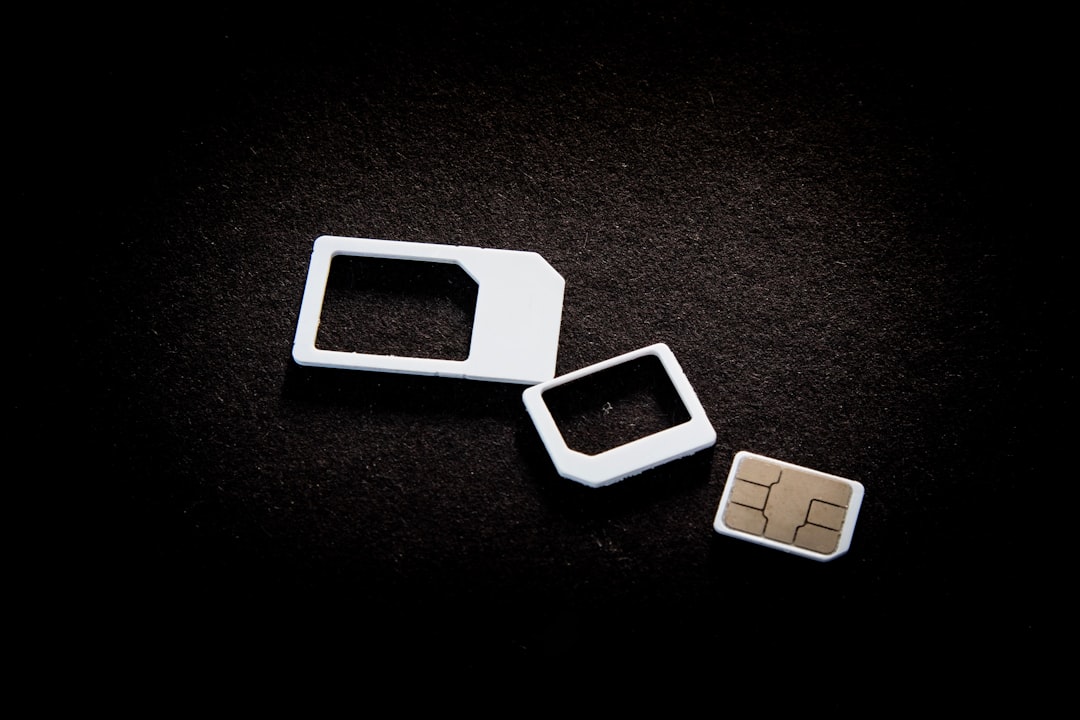
2. Memory cards, SSDs, and USB drives
This is the oldest trick on the platform. A “1TB” microSD for $6 is almost always a small card flashed to report a fake capacity. It looks fine until you fill it past the real limit, and then your files silently corrupt. Buyers only discover it when photos or backups disappear. Storage is the one category where a cheap fake can cost you data you can’t get back.
Buy instead: a genuine SanDisk or Samsung card from a shop that stocks the brand, and test any new card with a tool like H2testw the day it arrives, while you can still dispute.
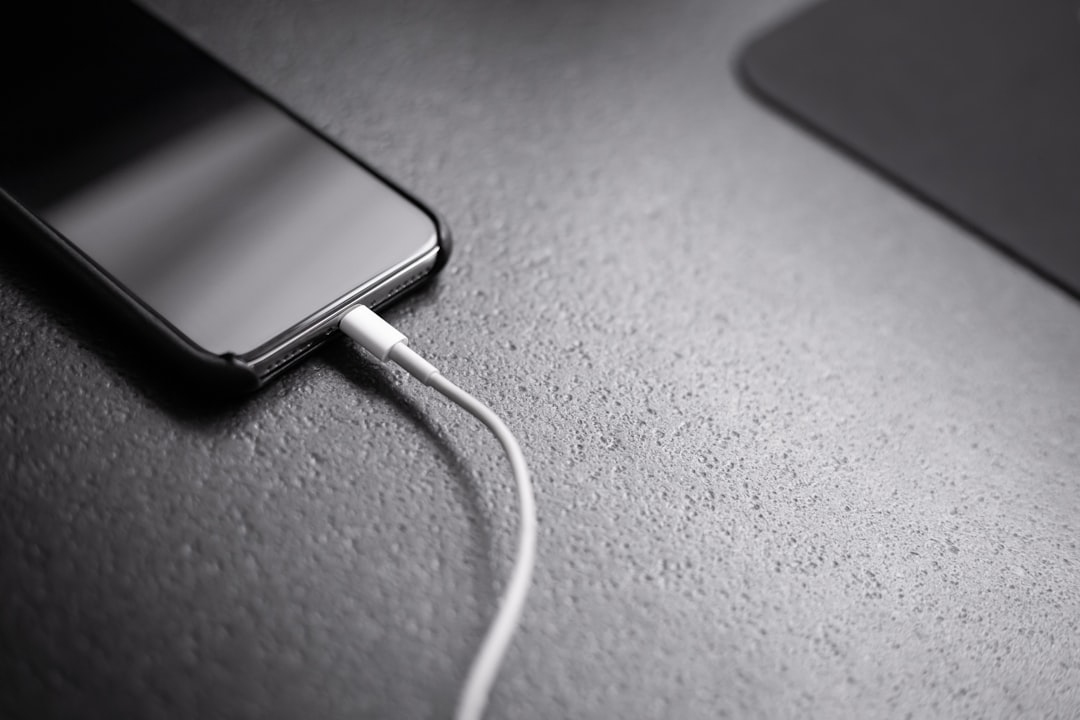
3. Chargers, power banks, and anything that plugs into the wall
Cheap chargers and power banks are a recurring fire-and-fraud story in the reviews. Power banks routinely test at a fraction of the printed mAh, and no-name wall chargers skip the safety circuitry that stops them cooking your phone or worse. Mains voltage is not where you gamble fifteen dollars.
Buy instead: a certified charger or power bank from a known brand. The few extra dollars are the safety circuit you can’t see in a listing photo.
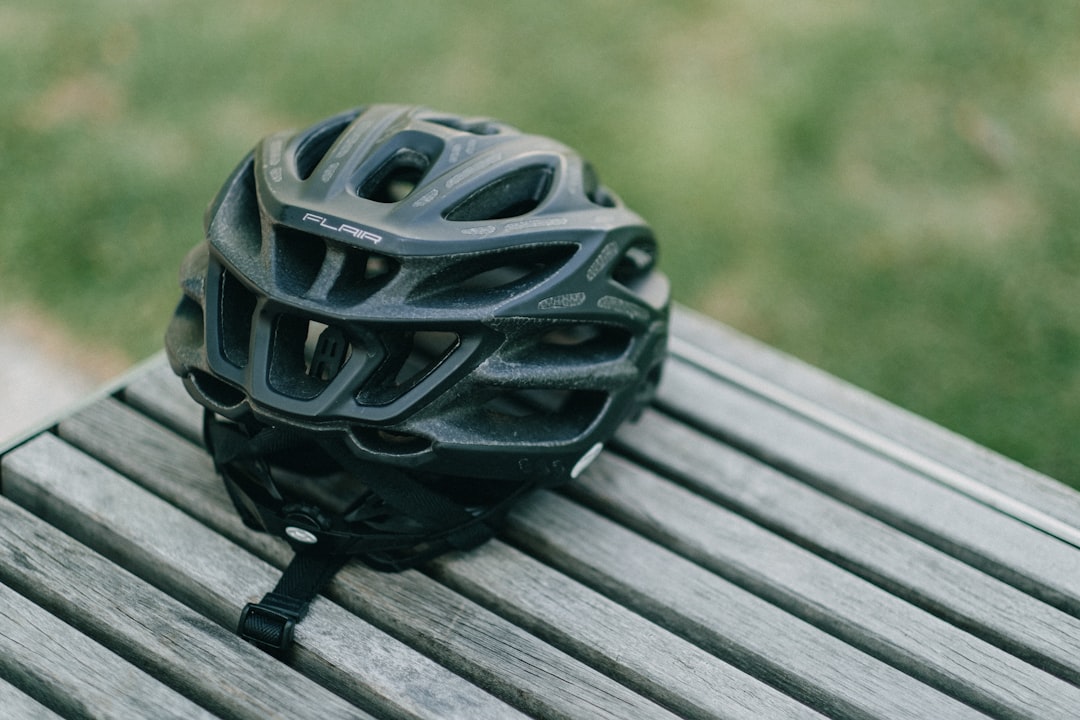
4. Safety equipment
Helmets, car seats, smoke and carbon-monoxide detectors, climbing gear, PPE. These products exist to save your life, and the only thing standing between you and harm is certification you can’t verify on a marketplace listing. A bike helmet that cracks on first impact or a smoke detector that never goes off is not a bargain at any price. This is the hard line: never buy life-safety gear on AliExpress.
Buy instead: certified gear from a specialist retailer, where the safety rating is real and traceable to a standard.
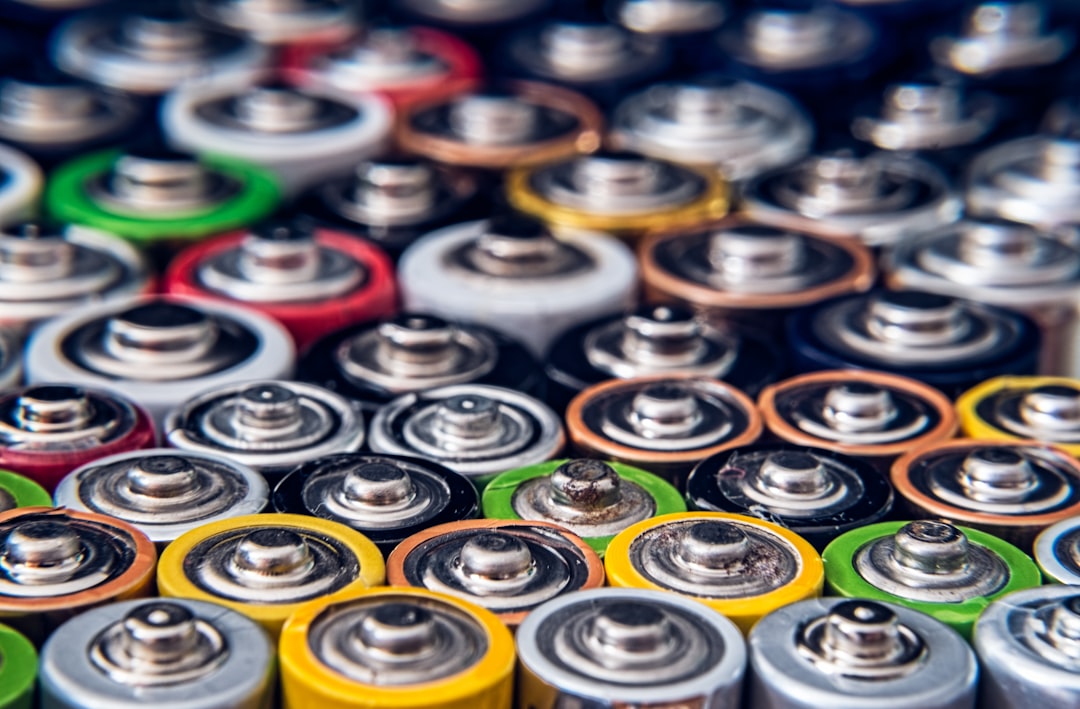
5. Batteries
Loose lithium cells, e-bike packs, vape batteries, “high-capacity” 18650s. Battery listings combine two of the worst patterns at once: wildly inflated capacity claims and a real fire risk if the cell is poorly made or protected. Buyers report packs that arrive puffy, cells that hold a third of the rated charge, and chargers that overheat.
Buy instead: cells and packs from a reputable local supplier with honest specs and proper protection circuitry.
6. Skincare, makeup, and sunscreen
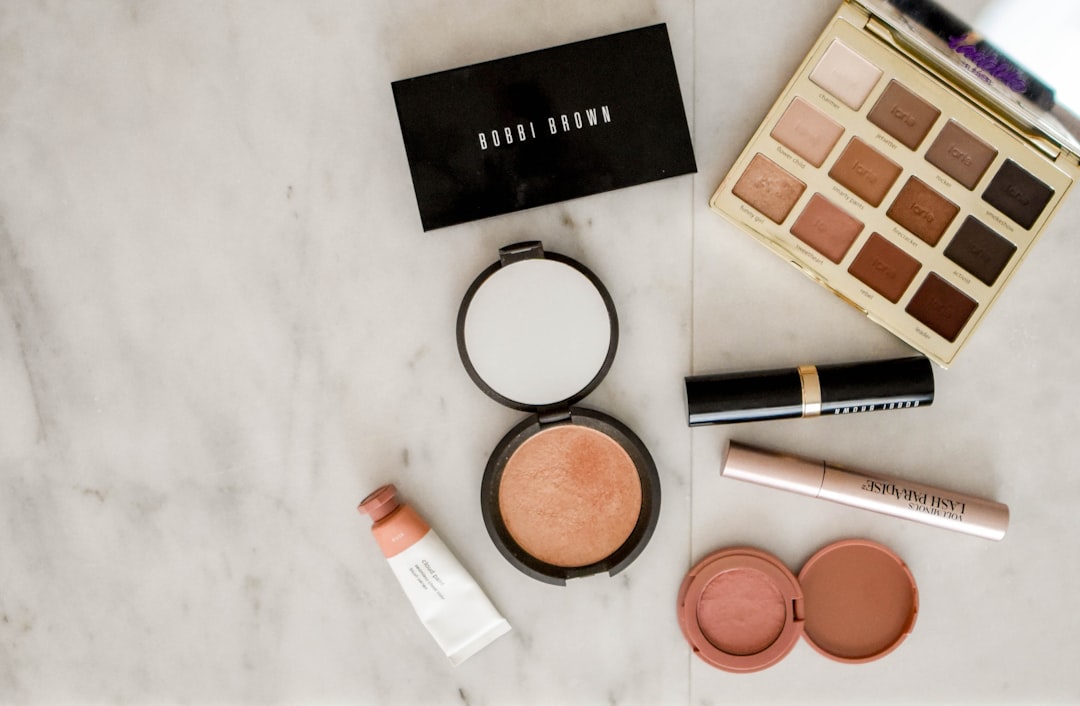
Anything that goes on your skin is a no. Cosmetics and skincare from unverified sellers can be expired, contaminated, or simply not what the label claims, and “sunscreen” that doesn’t actually block UV is worse than none. There’s no regulation backing these listings, and the reviews are full of reactions and breakouts. Sunscreen in particular is a health product pretending to be a beauty buy.
Buy instead: anything skin- or sun-related from a pharmacy or the brand’s own store, where the formula is regulated.
7. Supplements, medicine, and anything you ingest
Vitamins, weight-loss pills, “herbal” remedies, teeth-whitening kits. You cannot verify what’s actually in a capsule from a marketplace listing, and counterfeit or contaminated supplements are a documented problem. Nothing you swallow is worth the saving. Treat this as an absolute skip, the same as safety gear.
Buy instead: supplements from a regulated retailer or pharmacy in your own country.
8. Clothing and shoes you need to fit
Sizing on AliExpress is a lottery. Charts are inconsistent between sellers, items run small, and a return that has to travel back across the world is rarely worth the postage. Buyers love AliExpress for accessories and one-size items, and regret it for fitted clothing and footwear.
Buy instead: accessories, bags, and one-size pieces here; anything that has to fit your body, somewhere you can return it.
9. Expensive or high-value items
The more a purchase costs, the more a dispute costs you in time, stress, and risk. “Solid gold” jewelry, “genuine” gemstones, pricey electronics, branded watches. At these prices the downside of a mismatch is large, and gold or gemstone claims are exactly the ones sellers fake most.
Buy instead: keep AliExpress spending in the range where a bad unit is an annoyance, and buy big-ticket items where you get a real warranty and easy returns.
A note on counterfeits and customs
Beyond the categories above, openly counterfeit goods (designer bags, branded shoes, licensed character merch) carry an extra risk: customs can seize the parcel, and you lose both the item and your money with no dispute to file. If a listing leans on a brand name it has no business using, treat that as a reason to walk away, not a deal.
How to catch a fake before you pay
A live example of this pattern: cheap “ultrasonic” cleaners that are really vibration motors. We break down how to spot them, and what a real one looks like, in our ultrasonic jewelry cleaner review.
Most of the duds above give themselves away in under a minute if you know where to look. Run this quick check on any listing in a risky category:
- Reverse-image the main photo. If the same shot appears on the brand’s official site or across a dozen unrelated listings, the seller borrowed it and you don’t know what actually ships.
- Sanity-check the price. Ninety percent off the real retail price isn’t a deal, it’s a different (fake) product wearing the name.
- Read the lowest-rated recent reviews first. Capacity lies, dead-on-arrival units, and “not as described” complaints live at the bottom of the list, not the top.
- Demand buyer photos. A genuine product accumulates real-world shots from buyers. A listing that only ever shows studio renders is hiding something.
- Test the measurable stuff on arrival. Storage capacity, power-bank charge, claimed wattage. Check it the day it lands, while the dispute window is open.
- Look at the store, not just the item. Age, order count, and overall rating tell you whether the seller has anything to lose.
The thread running through every category is the same: claims you can’t verify (capacity, brand, safety rating, karats) are exactly the claims sellers inflate. Trust what buyers repeat, not what the title promises.
So what is safe to buy?
Plenty. AliExpress shines for phone and tech accessories, hobby and maker parts, replacement parts, storage gadgets, craft supplies, and cheap novelties. The common thread is low stakes: a bad unit means mild annoyance, not injury or a wasted hundred dollars. For the things genuinely worth buying, see our roundup of the best AliExpress finds, every one scored against real buyer reviews.
How to check any listing before you buy
The rule that keeps you safe across every category is the same: read the buyers, not the seller. Sort the reviews by newest and by lowest rating, look for the complaint that repeats across different people, and check the buyer photos against the listing. If the title promises a number (capacity, wattage, karats), see whether buyers confirm it. We walk through the full check, and how we score what we cover, on our review method page.
The checks above overlap with a broader question we get a lot — is AliExpress legit? Short answer: the platform is real and refunds work; the risk lives in individual listings, which is exactly why this list exists.
Frequently asked questions
What should you never buy on AliExpress?
Anything tied to your safety or health: helmets, car seats, smoke and CO detectors, batteries, supplements, medicine, and skincare or sunscreen. Also skip fake-branded electronics and memory cards, where counterfeits and fake capacities are routine.
Are AliExpress memory cards real?
Often not. Very cheap high-capacity microSD cards and USB drives are frequently flashed to report a fake size, then corrupt your files once you pass the real limit. Buy storage from a retailer that stocks the genuine brand, and test the card with H2testw when it arrives.
Is it safe to buy electronics on AliExpress?
Small accessories like cables, mounts, and adapters are usually fine. Avoid branded electronics at impossible prices (they’re clones) and anything mains-powered or battery-based, where safety and capacity claims often don’t hold up.
Can you buy clothes on AliExpress?
You can, but sizing is inconsistent and returns from overseas rarely pay off. Accessories and one-size items are the safer bet; fitted clothing and shoes are a gamble on fit.
How can I tell if an AliExpress product is fake?
Reverse-image the listing photo, distrust prices far below retail, read the newest one-star reviews, and look for real buyer photos over studio renders. For anything with a number on it (capacity, wattage, karats), check whether buyers confirm the claim holds up.
Share your experience