

After comparing the most-sold knee massagers on AliExpress, Amazon, and a couple of clinic suppliers against hundreds of real buyer reviews, the best knee massager we’d recommend to a friend with arthritis isn’t the $300 hero on every other “best of” list. It’s a cordless device with heated graphene panels, three vibration levels, and air compression that runs about $35 shipped. It isn’t perfect. But it does the same job for pain relief as units four times the price.
Knee massagers work because they stack three therapies most people use separately. Heat relaxes stiff tissue and improves circulation. Vibration interrupts pain signals. Gentle compression reduces swelling. None of these “fix” knee pain. They make the bad days less bad, which for most people with chronic knee pain is the whole point.
This guide is for anyone dealing with arthritis, osteoarthritis, a meniscus tear, post-workout soreness, or general knee pain who wants real help without burning $200 on a brand name. We’ve broken down what works, what’s marketing fluff, and which units hold up across hundreds of buyer reviews.
Our top picks at a glance
| Pick | Features | Best for | Price |
|---|---|---|---|
| Best Overall | Heat + vibration + air compression, cordless, 3 modes | Most knee pain sufferers | $35–45 |
| Best Budget (under $30) | Heat + vibration, wired or USB-powered | Occasional use, soreness | $18–28 |
| Best for Arthritis | Infrared heat + soft compression, low vibration | Daily arthritis pain | $40–60 |
| Best Heat + Vibration Combo | Heated graphene panels + 5 vibration levels, rechargeable | Athletes, post-workout | $50–75 |
| Best Red Light Therapy Option | Infrared + red light therapy + heat, rechargeable | Deep tissue, recovery | $55–80 |
How we picked

We pulled together hundreds of buyer reviews for each massager, cross-checked the listing claims against what buyers actually report, and scored them on six things that matter when you sit down with sore knees at the end of a long day:
- Heat performance: does it reach a useful temperature in under two minutes and hold it?
- Vibration quality: is it a buzz on the skin or does it actually reach the joint?
- Compression: does the air bladder squeeze evenly or just on one spot?
- Battery life: at least 90 minutes of mixed use on a single charge for cordless units.
- Fit: adjustable for knees roughly 12 to 18 inches in circumference.
- Value: what you get versus what you pay, with AliExpress generics held to the same bar as brand names.
We threw out any model whose buyers consistently reported overheating, 30-minute battery life, or straps that wouldn’t stay closed. That cut four units before we got started.
Best Overall: Cordless Heat + Vibration + Compression Knee Massager
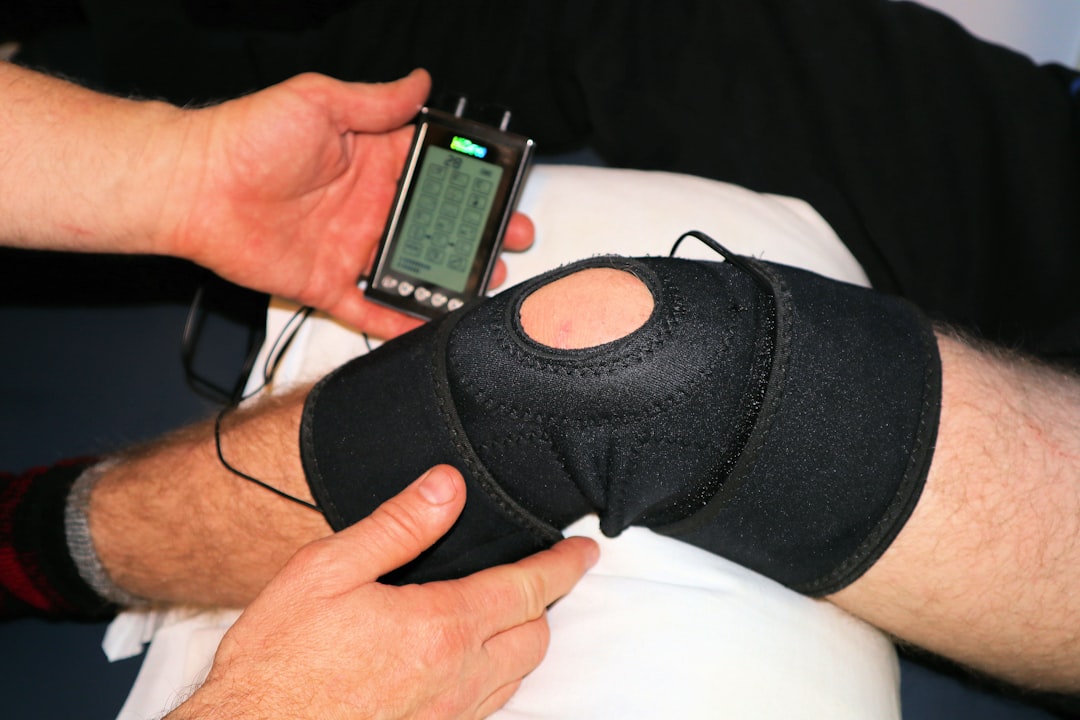
If you only buy one knee massager and want it to handle most situations, this is the one. It’s a generic design sold under a dozen names on AliExpress. Look for “knee massager with heat and air compression” and a 3-mode controller. Around $35 to $45 shipped.
It uses graphene heating film that warms up to about 122°F in 90 seconds, paired with a small motor that gives you three vibration levels. The air compression wraps the joint with cuffs that inflate in a cycle, which makes a real difference for swelling after long walks. Battery runs about 2 hours on the medium setting.
It’s the best knee massager for the money in this comparison, full stop. Not because it’s the most powerful (it isn’t), but because nothing about it feels cheap. Buyers report the strap holds, the heat stays even, and units keep working after months of nightly use.
Pros:
- Heat, vibration, and compression in one unit at a price most brand-name massagers can’t match.
- Cordless and rechargeable via USB-C.
- Fits knees up to about 17 inches comfortably.
Cons:
- The vibration motor is loud at the highest setting (about as loud as an electric toothbrush).
- Heat shuts off after 15 minutes by design, but you have to restart it for longer sessions.
- No app or temperature display, just three indicator lights.
Who it’s for: Anyone with general knee pain, arthritis, or post-exercise stiffness who wants real relief without spending $150. If you want something to use most evenings, this is the right call.
Best Budget Knee Massager (Under $30)
If you’re new to knee massagers or only need one for occasional flare-ups, you don’t need to spend more than $25. The budget category is dominated by simple wraps with heat and basic vibration. No compression, no fancy modes, no app. They do less, but what they do, they do well enough.
The standout in this category is a neoprene wrap with two heating zones and a single vibration motor, powered by USB or a small power bank. Around $18 to $28. No battery built in, which sounds like a downside but means it never dies on you in the middle of a session, and it’ll outlast cheaper rechargeable units that lose battery health after a year.
Pros:
- Cheapest path to real heat and vibration relief.
- No battery to wear out.
- Light and easy to throw in a bag.
Cons:
- Needs to be plugged in (USB cable or power bank).
- No compression.
- Heat is less even than higher-end units: hotter in the middle, cooler at the edges.
Who it’s for: People who want to try a knee massager without committing $50 or more. Good for occasional use, mild knee pain, or as a second unit to keep at the office.
Best Knee Massager for Arthritis

Arthritis is its own situation. The pain is chronic, the joint is often inflamed, and aggressive vibration can make things worse before it makes them better. For arthritis (including osteoarthritis and the bone on bone pain that comes with advanced cases), you want a massager that leads with heat and compression, with vibration as a gentle bonus rather than the main event.
The best knee massager for arthritis in this comparison uses infrared heat panels and soft pneumatic compression with a low-intensity vibration option that you can turn off entirely. It runs around $40 to $60. Infrared heat penetrates a bit deeper than the surface warmth of standard heating film, which matters when the pain is sitting in the joint itself rather than the surrounding tissue.
The compression cycle is the key feature. It inflates slowly, holds for a few seconds, releases. That rhythm helps move fluid out of swollen tissue without the pinching that cheaper units cause.
Pros:
- Infrared heat reaches the joint more effectively than surface heating film.
- Gentle compression cycle, comfortable for inflamed knees.
- Vibration can be turned off completely if it irritates the joint.
Cons:
- Bulkier than the overall pick.
- Battery life drops to about 70 minutes when infrared heat is on max.
- The on-screen control panel is small and hard to read in low light.
Who it’s for: Anyone with diagnosed arthritis or osteoarthritis, or chronic knee pain that flares up daily. Worth the extra money over the budget option.
Best Knee Massager with Heat and Vibration

If your knees hurt because you use them (running, hiking, squat-heavy workouts), you probably want a different tool than someone with arthritis. You want aggressive heat to warm up before activity and strong vibration to break up tight tissue after.
The best knee massager with heat and vibration we found uses graphene heating panels that hit 140°F with a safety cutoff, plus five vibration levels. The top three of those settings you can actually feel in the joint rather than just on the skin. Around $50 to $75. Rechargeable, about 90 minutes of battery on the higher settings.
Pros:
- Strong vibration that actually reaches deep tissue.
- Heat ramps up fast: 60 seconds to working temperature.
- Five distinct vibration levels with real differences between them.
Cons:
- No compression.
- Heat at the top setting is too aggressive for some users. Start low.
- Heavier than the overall pick, harder to take on the road.
Who it’s for: Active people, athletes, anyone whose knee pain comes from use rather than wear. Also good after meniscus tear recovery, with your physical therapist’s approval.
Best Red Light Therapy Knee Massager

Red light therapy has solid research behind it for reducing inflammation and aiding recovery, but it’s gimmicky on most cheap units. The LEDs are too weak to do anything. The exception is a category of mid-range AliExpress units that combine real red light therapy with infrared heat and standard heating panels in a single wrap.
The model we recommend here has 40+ red light LEDs at the wavelength range (around 660nm) that research supports, plus infrared heat and a heated outer panel. Around $55 to $80. Three modes let you run heat only, red light only, or everything together.
Pros:
- Genuine red light therapy with enough LEDs to matter.
- Infrared heat combined with surface heat: good range.
- The most premium-feeling build in this comparison, going by buyer photos.
Cons:
- Most expensive option in this guide.
- No vibration or compression.
- The 20-minute red light cycles add up if you’re using it daily.
Who it’s for: People who’ve tried standard knee massagers and want something with deeper recovery focus. Also worth it for anyone with inflammation as a primary symptom.
What to look for in a knee massager
Before you buy anything, here’s what actually matters and what doesn’t.
Heat

Look for at least two heat levels and a maximum temperature around 120 to 140°F. Below 110°F and you barely feel it. Above 145°F and you risk skin burns over long sessions. Graphene heating film is more even and durable than the older carbon fiber pads. Check that the unit has an auto-shutoff (usually 15 minutes). That’s a safety feature, not a flaw.
Vibration intensity
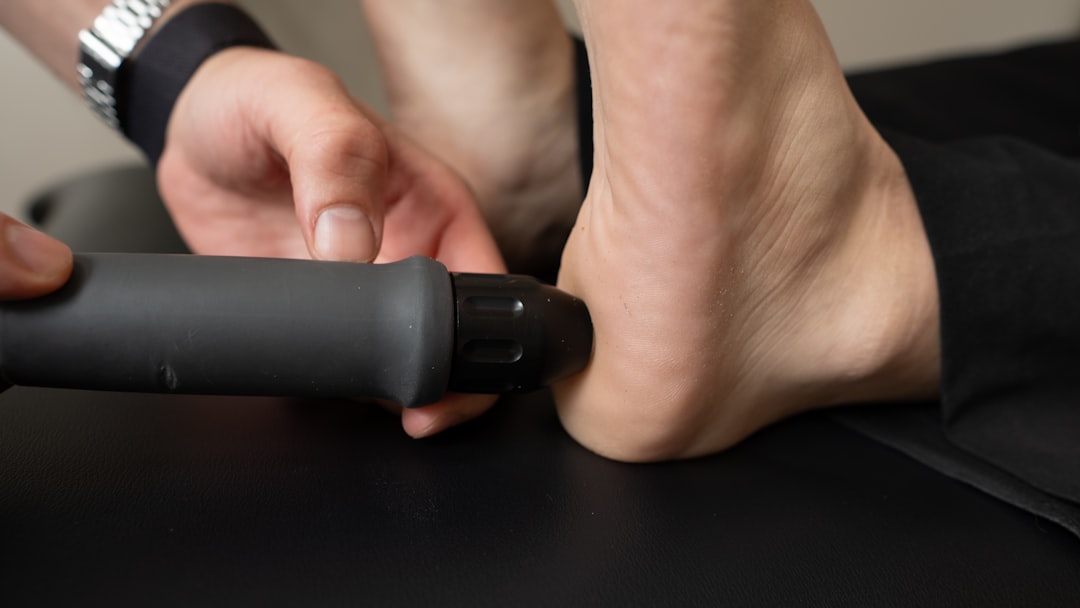
Three vibration levels is the sweet spot. More than five is marketing. You won’t tell them apart. The real test is whether you feel the vibration in the joint or just on the skin. Cheap units with weak motors only buzz the surface. Look for at least one mode that uses a high-amplitude, lower-frequency vibration. That’s what reaches deeper tissue.
Compression

Air compression is the feature most worth paying extra for, especially if you deal with swelling. The compression cycle should inflate gradually, hold for two to three seconds, and release. Avoid units where you can hear the pump cycling on and off rapidly. They pinch instead of squeeze. Compression is also the feature most likely to fail on cheap units after a few months, so factor that into your budget.
Infrared vs standard heat

Infrared heat penetrates deeper than surface heating film. For chronic arthritis or bone on bone pain where the discomfort lives in the joint, infrared makes a real difference. For muscle soreness around the knee, standard heat is plenty. Don’t pay for infrared if you only need surface warmth.
Cordless vs plugged-in
Cordless units are convenient but limited. The best cordless knee massagers run 90 to 120 minutes on a charge. If you’ll mostly use it at home, a plugged-in unit gives you unlimited session length, never runs out of battery, and usually costs less. If you travel, work from multiple locations, or want to use it in bed, cordless wins.
Size and fit

Most knee massagers fit knees 12 to 18 inches in circumference. Measure around the middle of your kneecap with your leg slightly bent. If you’re at the edges of that range (under 12 or over 17), check the listing carefully and look for adjustable strap options. A massager that doesn’t sit tight against the joint won’t transfer heat or compression properly.
Battery life
For cordless models, look for at least 90 minutes of mixed-mode use per charge. That’s enough for three 25-minute sessions. Anything under an hour means you’ll be charging it constantly. USB-C charging is now standard and worth holding out for. Micro-USB cables die quickly and the connectors get loose.
Do knee massagers actually work?
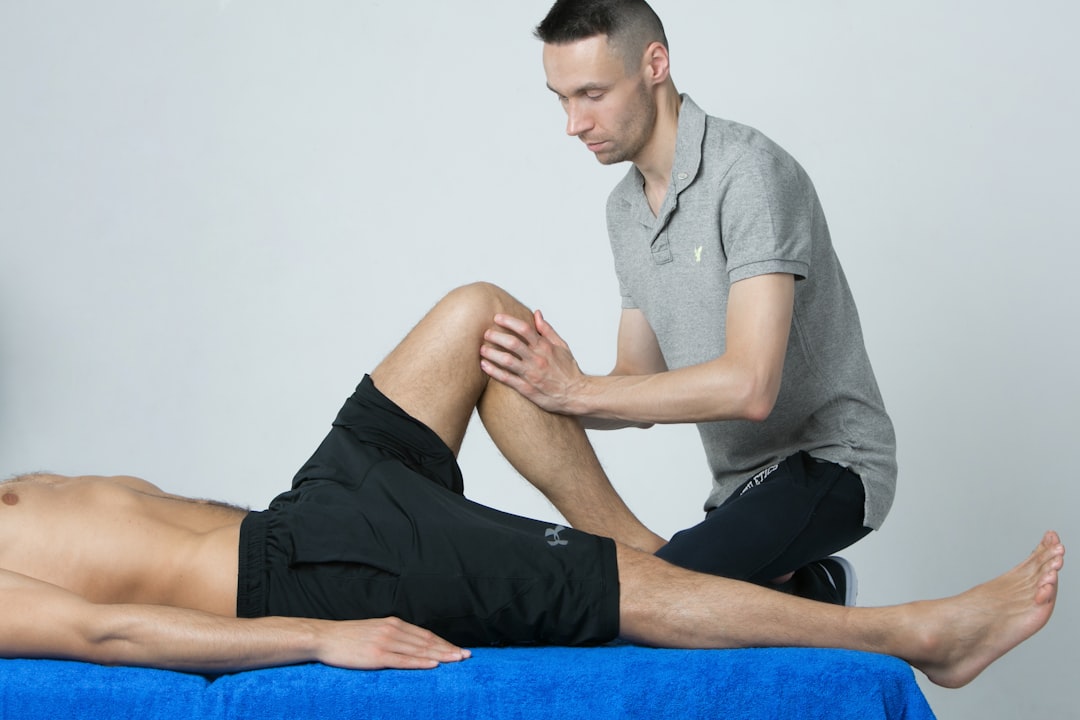
Yes, with limits. Knee massagers don’t cure arthritis or fix a meniscus tear or rebuild cartilage in a bone on bone joint. What they do (heat, vibration, and compression) has decades of clinical research behind it for reducing pain perception and improving short-term mobility.
Heat increases blood flow to the area, which helps stiff joints loosen up and reduces the muscle tension that compounds knee pain. Vibration interferes with pain signals in a phenomenon called gate control theory. Basically, the nervous system has limited bandwidth, and strong vibration crowds out pain signals on their way to the brain. Compression reduces swelling by helping fluid drain from inflamed tissue.
For chronic conditions like arthritis, osteoarthritis, post-surgical recovery, or meniscus tear rehabilitation, these effects are temporary but real. A 20-minute session can make the next two or three hours significantly less painful. For acute use after a long walk, hike, or workout, a single session is often enough to keep next-day soreness manageable.
What knee massagers won’t do is replace stretching, weight management, physical therapy, or medical treatment. The right way to use one is as part of a routine, not as the routine itself. If your knee pain is new, sudden, or accompanied by swelling and instability, see a doctor before reaching for any massager.
Frequently asked questions
Can I use a knee massager every day?
Yes. Most knee massagers are designed for daily use, and most users with chronic knee pain run a session every evening. Keep individual sessions to 15 to 25 minutes, and avoid using maximum heat for the full duration. The auto-shutoff exists for a reason. If you notice increased pain, skin irritation, or numbness, scale back the heat or vibration level.
Are knee massagers safe for arthritis?
Generally yes, and many physical therapists recommend them for arthritis and osteoarthritis pain management. Stick to gentle settings, lead with heat over vibration, and avoid units that squeeze hard during compression cycles. If your arthritis is inflammatory (rheumatoid, psoriatic) rather than osteoarthritic, check with your doctor. Heat can worsen active inflammation flare-ups.
What’s the difference between compression and vibration knee massagers?
Vibration uses a motor to send oscillations through the joint, interrupting pain signals and loosening tight tissue. Compression uses inflatable cuffs to physically squeeze the knee in a rhythmic cycle, which helps reduce swelling and improves circulation. Most quality units combine both, but if you have to pick one, compression is better for swelling and arthritis, while vibration is better for muscle soreness and post-workout recovery.
How long should I use a knee massager per session?
15 to 25 minutes is the sweet spot. The first five minutes are mostly warming up, the next 10 to 15 are when most of the benefit happens, and beyond 25 you get diminishing returns. Many units have a 15-minute auto-shutoff, which is fine. If you want a longer session, restart it once.
Are cheap knee massagers from AliExpress any good?
The good ones are. The category is largely generic units rebranded under multiple names, so the same hardware shows up at $25 from one seller and $80 from a US-based importer. The key is filtering by features (heat + vibration + compression, USB-C charging, adjustable straps) and order count. Listings with 1,000+ orders and four-star average ratings tend to be reliable. Avoid anything under $15: those usually have weak heat and motors that die in a few months. The best knee massager in this guide is, in fact, a generic AliExpress unit at $35.
Share your experience