

Quick answer: There is no fixed list of the best AliExpress stores; good sellers change, so the skill is knowing how to find a store on AliExpress worth trusting. Five signals predict a smooth order: store age over a year, a 95%+ positive rating, high repeat-buyer counts, consistent reviews across items, and responsive chat. The checks below take about two minutes per store.
“Best AliExpress stores” lists go stale fast: a store that was excellent last year gets bought, changes suppliers, or quietly starts shipping a cheaper version. So instead of a frozen top-10 you can’t verify, here’s the thing that actually keeps working — how to spot a genuinely good AliExpress store in about a minute, and which store signals predict a good order.
This is the same seller check we run before we score any product, and it’s the difference between a $12 gadget that lasts and one that dies in a month.
Why we don’t publish a fixed list of “top stores”
Store quality on AliExpress is not stable. Sellers switch factories, top-rated shops get resold, and a store with a great 2024 record can be shipping different stock today. Any list naming ten shops is out of date the moment it’s written, and most of those lists are copied from each other without anyone checking. What doesn’t go stale is the method: the store-level signals below are visible on every listing page, right now, for whatever you’re looking at.
The five store signals that actually predict a good order
- Store rating (aim 4.7+). Below about 4.5 there’s usually a systemic problem — wrong items, slow dispatch, bad responses. Between 4.5 and 4.7, read why.
- Age of the store (2+ years). A shop that has survived years has something to lose and a track record you can read. Brand-new stores with one cheap hero product are the highest-risk profile on the platform.
- Order volume on the specific item. Hundreds or thousands of orders on the listing means a real body of buyer evidence — and that the seller has shipped this exact product many times.
- Follower count relative to age. A large, steadily built follower base is a decent proxy for repeat buyers. A brand-new store with a suspiciously big following is not.
- Response behaviour. Sellers who answer questions on the listing, and reply in disputes, are the ones who resolve problems. Silence in the Q&A is a warning.
Read the store, then read the listing
A good store can still sell a bad item, so the store check is step one, not the whole job. Once the shop passes, judge the specific product the way we do: sort its reviews by newest and by lowest rating, look for the complaint that repeats across different buyers, check buyer photos against the listing images, and confirm any number in the title (capacity, wattage, size) actually shows up in what buyers report. The full routine is in our AliExpress safety guide, and the scoring we apply is on the review method page.
Where good stores tend to cluster
Some categories reliably have stronger sellers than others, because the products are simple and the buyers are technical enough to complain loudly:
- Phone and tech accessories — cables, mounts, chargers. Huge order volumes mean the review evidence is deep. See our magnetic car phone holder review for the pattern.
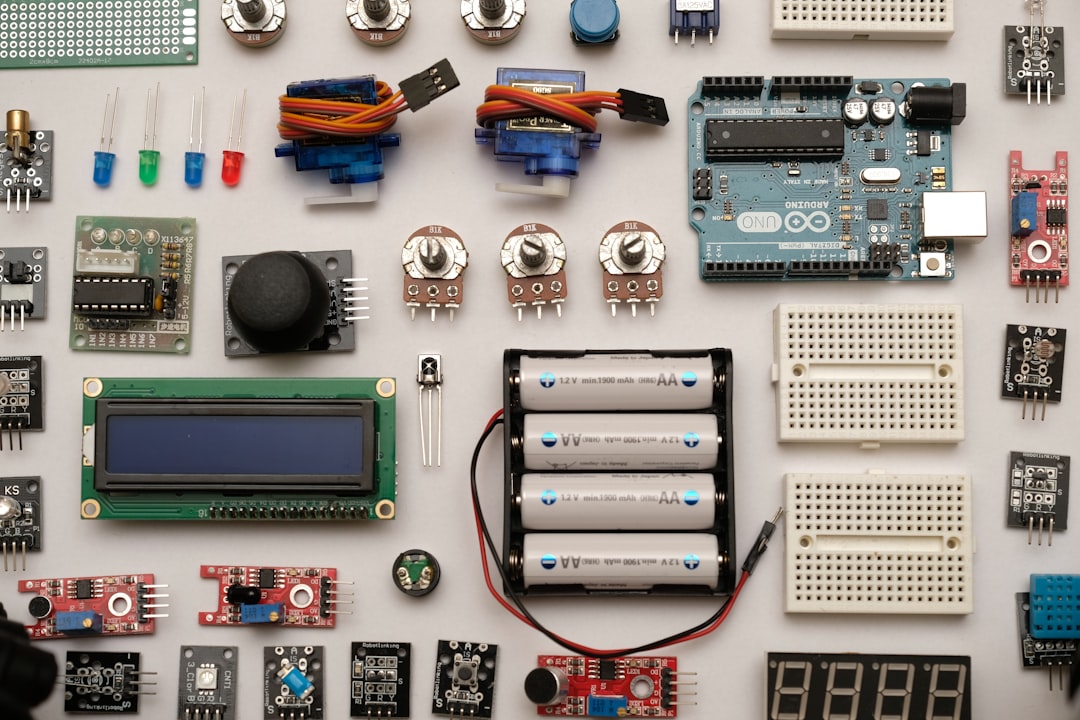
- Hobby and maker parts — boards, LEDs, modules, small tools. The buyers are specialists and the feedback is unusually specific.
- Replacement parts — watch batteries, straps, filters. Narrow, well-understood products; our watch battery replacement review is a good example.
- Home and kitchen gadgets — cheap enough that a dud is an annoyance, common enough that reviews pile up fast.
The categories where even a good store can’t save you are the ones we tell everyone to avoid entirely — see what not to buy on AliExpress.
Red flags that override a good rating
- Listing photos borrowed from a brand. Reverse-image the main photo. If it belongs to the real manufacturer, you don’t know what actually ships.
- Price far below every rival. Ninety percent under the going rate isn’t a deal — it’s a different, thinner product.
- Reviews that describe a different item. A reused listing carries old reviews for a product you’re not buying. Check dates and variant.
- Pressure to pay outside the platform. Any seller asking for bank transfer or an off-app link is removing your buyer protection. Walk away.
How to find a store on AliExpress
AliExpress hides store search better than product search, which is why “how do I search for a store on AliExpress” is such a common question. There are four reliable routes:
- From any product page. The store name sits under the product title (in the app, below the price). Tap it to open the storefront with its rating, age and follower count, then browse or search inside that store only.
- By store name. Type the exact store name into the main search bar. An exact match usually surfaces the store card above the product results; a partial name usually doesn’t, so copy the name rather than retyping it.
- By store number. Every store has a numeric ID in its web address, like
aliexpress.com/store/1234567. Paste that into your browser and you land on the storefront directly, which also works for links a friend shares. - From your followed stores. Follow a shop once and it stays under Account → Followed stores, the fastest way back to the sellers who already delivered for you.
If none of that works, search Google for the store name plus “AliExpress store”. Search engines index storefronts more reliably than AliExpress’s own search does.
Once you find a good store, keep it
The practical payoff of doing this check: when a store delivers, follow it. AliExpress makes it easy to save shops, and a seller who got one order right is far more likely to get the next one right than a random new listing at the same price. Most experienced buyers end up with a handful of trusted stores per category and stop shopping blind entirely.
For products that already passed our version of this process, see the best AliExpress finds — every one scored against hundreds of real buyer reviews. And if you’re weighing the platform against others, our AliExpress alternatives guide covers where each one wins.
Looking for products rather than sellers? Our AliExpress finds list ranks the items that consistently earn their buyer reviews — every pick comes from a store that passes the checks above.
Frequently asked questions
How do I find the best stores on AliExpress?
Filter by store rating (4.7+), check the store has been open two or more years, look at the order count on the specific item, and read the newest and lowest-rated reviews. A store that passes all four is about as safe as the platform gets.
What is a good store rating on AliExpress?
4.7 and above is a good sign; 4.5 to 4.7 is worth investigating; below 4.5 usually signals a systemic problem with the seller, not one unlucky buyer.
Are top-rated AliExpress stores always safe?
No. A good store can still list a weak product, and store quality changes over time. Use the store check to shortlist, then judge the individual listing on its own recent buyer reviews.
Should I buy from a brand-new AliExpress store?
Only for something cheap you can afford to lose. New stores have no track record, and the classic risk profile is a brand-new shop with a single very cheap hero product and a thin review history.



Share your experience